The free protective cover included with Apple’s iPhone Duo in South Africa does not repair the inner screen, leaving buyers exposed to steep costs if that specific component cracks within hours of purchase.
The Hidden Cost of the Inner Display
Buyers purchasing the new foldable iPhone Duo from iStore receive a complimentary iCarePlus cover valued at R1,999. This plan extends Apple’s standard warranty to two years and includes one screen repair for both the front glass and back glass of the device. However, iStore confirmed this week that the coverage explicitly excludes the folding inner screen.
This exclusion creates a significant vulnerability for early adopters abroad who have reported cases of the inner display cracking along the hinge in as little as six hours after buying the phone. Gizmodo documented these failures, including an account from a Reddit user in Australia whose device suffered this damage shortly after purchase. Apple acknowledged an issue impacting the inner display on a small number of iPhone Duo units and advised affected users to contact AppleCare for a replacement. The company’s statement did not mention South Africa specifically.
When asked about repair costs without the cover, only Huawei provided a specific figure. They quoted a staggering R15,000 to replace the inner screen of their foldable devices, excluding labour. Given that Apple’s US pricing suggests the Duo could cost even more for such a repair, the financial risk is substantial.
Legal Protections for South African Consumers
Buyers may have more protection than the manufacturer’s cover plans suggest under local law. Consumer journalist Wendy Knowler explained that Section 56 of the Consumer Protection Act gives products sold in South Africa an implied warranty against defects. This legal provision applies whether the product was bought new or used and remains in force for six months.
If an inner screen cracks because of a defect rather than user error, a consumer could theoretically demand a full replacement or refund under this act. However, the burden of proof lies with the buyer to demonstrate that the damage was caused by a manufacturing flaw, not normal wear and tear.
The Evolution of Foldable Durability
The issue of durability is not new; it is part of the long history of foldable technology. Concepts for these devices date back to 2008, but the first commercially available folding smartphones with OLED displays did not appear until late 2018, notably the Royole FlexPai. The first mass-market model was Samsung’s Galaxy Fold in 2019.
In those early days, foldables faced serious concerns over durability and high prices, leading many to view them as gimmicks. At that time, devices typically used flexible plastic OLED displays rather than glass because plastic could sustain the required bend radius. While traditional glass like Corning’s Gorilla Glass is standard for most smartphones, it was considered unsuitable for folding without modification.
However, technology has advanced significantly since then. Samsung now markets its Galaxy Z Flip as featuring “ultra-thin glass” combined with a plastic layer to improve resilience. Similarly, Motorola introduced the Razr Fold, a book-style device that offers an 8.1-inch display inside but lacks the top-end processor found in competitors. These updates represent a shift from gimmick to practical tool.
By 2026, improvements in physical technology have made foldables more durable and usable. Book-style foldables and tri-folds are now seen as practical alternatives to standard “slate” phones. Despite this progress, only around 1% of worldwide smartphone ownership were foldable devices in 2023.
The Practical Upshot
Think of it like buying a car with a new engine; you expect the core mechanics to be sound, but you still worry about specific parts failing under stress. For foldables, the “engine” is the folding mechanism and the inner screen. While the outer covers and chassis are becoming more robust, the inner display remains the weak link.
The practical upshot for a South African buyer is clear: if you want an iPhone Duo or similar device, ensure you have comprehensive insurance that specifically covers hinge and internal screen damage, as standard warranties may not. The technology has evolved from fragile novelty to a viable option, but the cost of failure remains high unless the consumer takes extra precautions.
Understanding the iCarePlus Exclusion
Apple’s iPhone Duo ships with a complimentary iCarePlus cover valued at R1,999, which extends the standard warranty to two years and includes one screen repair for both the front glass and back glass. However, iStore confirmed to TechCentral this week that the coverage explicitly excludes the folding inner screen. This distinction leaves a critical vulnerability for buyers, as early adopters abroad have reported cases of the inner display cracking along the hinge in as little as six hours after purchase. Gizmodo documented these failures, including an account from a Reddit user in Australia whose device suffered this damage shortly after buying the phone. Apple acknowledged an issue impacting the inner display on a small number of iPhone Duo units and advised affected users to contact AppleCare for a replacement, though its statement did not mention South Africa specifically.
When considering repair costs without the complimentary cover, the financial risk becomes stark. While Samsung and Huawei both sell paid plans that cover the inner screens of their foldable devices, Huawei provided a specific out-of-pocket figure when asked about replacement costs: a staggering R15,000 to replace the inner screen of their foldable devices, excluding labour. Given that Apple’s US pricing suggests the Duo’s inner screen repair could cost even more, the financial exposure for South African buyers is substantial. This exclusion means that despite the included iCarePlus benefit, a failure of the core folding mechanism could result in a repair bill running into tens of thousands of Rand.
Sources
- The hidden cost of owning a folding phone
- Foldable smartphone
- The iPhone Duo Has Plenty of Competition. These Are the 6 Best Folding Phones Out There
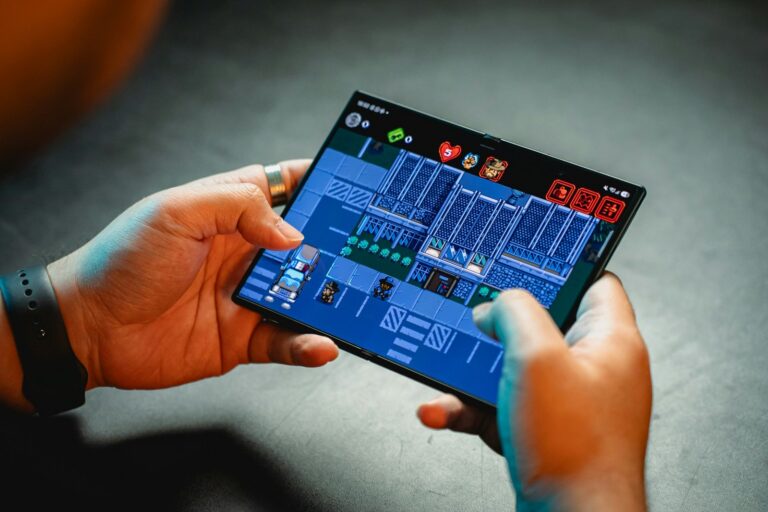
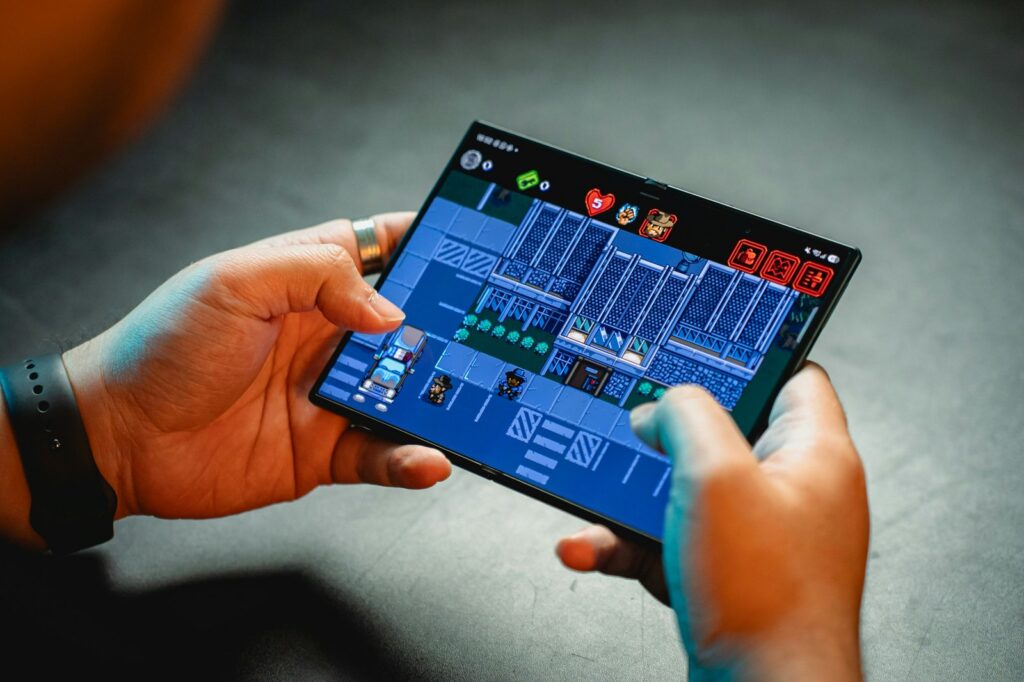
Photo: Amanz / Unsplash (Unsplash License)